How to Reduce Melanin in Skin
Reducing melanin in the skin can be a goal for individuals looking to lighten dark spots or even out their skin tone. Here are several methods and tips to help achieve this.
Can You Permanently Reduce Melanin ?
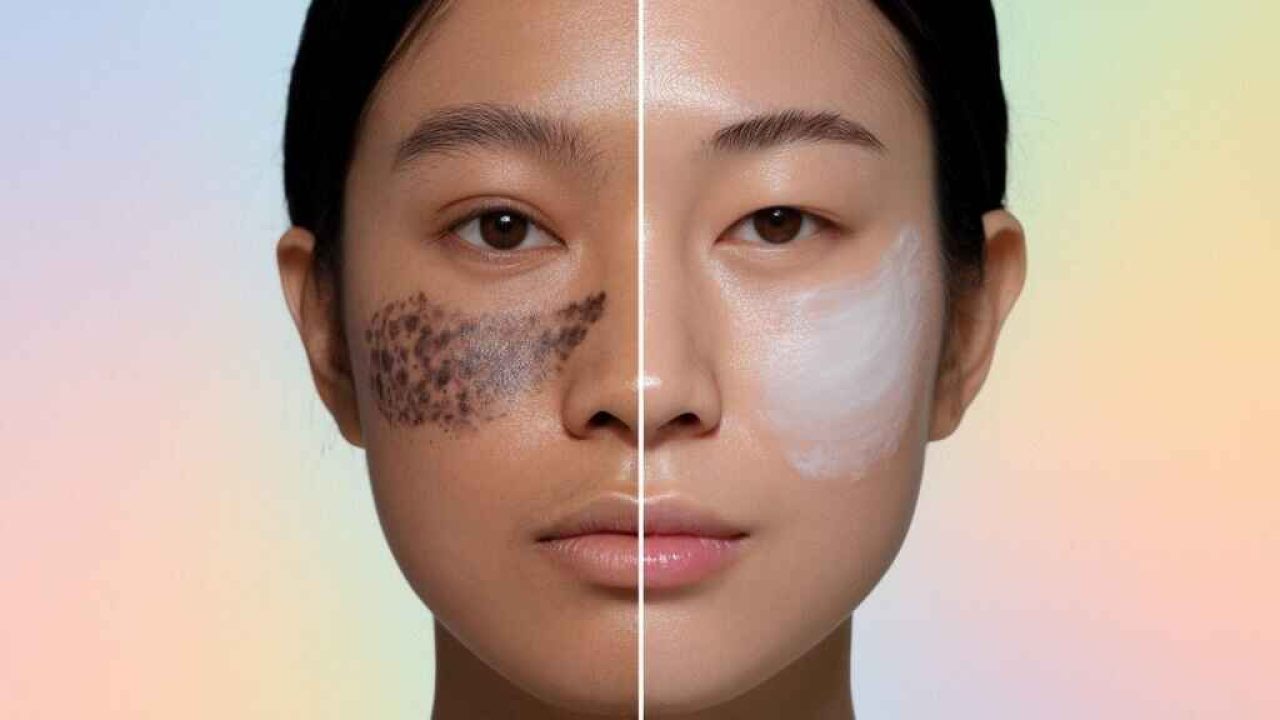
It isn’t possible to completely stop melanin production. It’s a natural, genetic process that protects skin from UV damage. However, various methods can reduce excessive melanin or lighten dark spots. However, these methods are not permanent, as skin regenerates, and melanin levels may increase again. Here are some Methods to Reduce Melanin Temporarily.
1.Topical Treatments : Cream and Serum
Products containing ingredients like
Can help lighten hyperpigmented areas of the skin. However, these treatments may not provide permanent results and can cause side effects if used long-term.
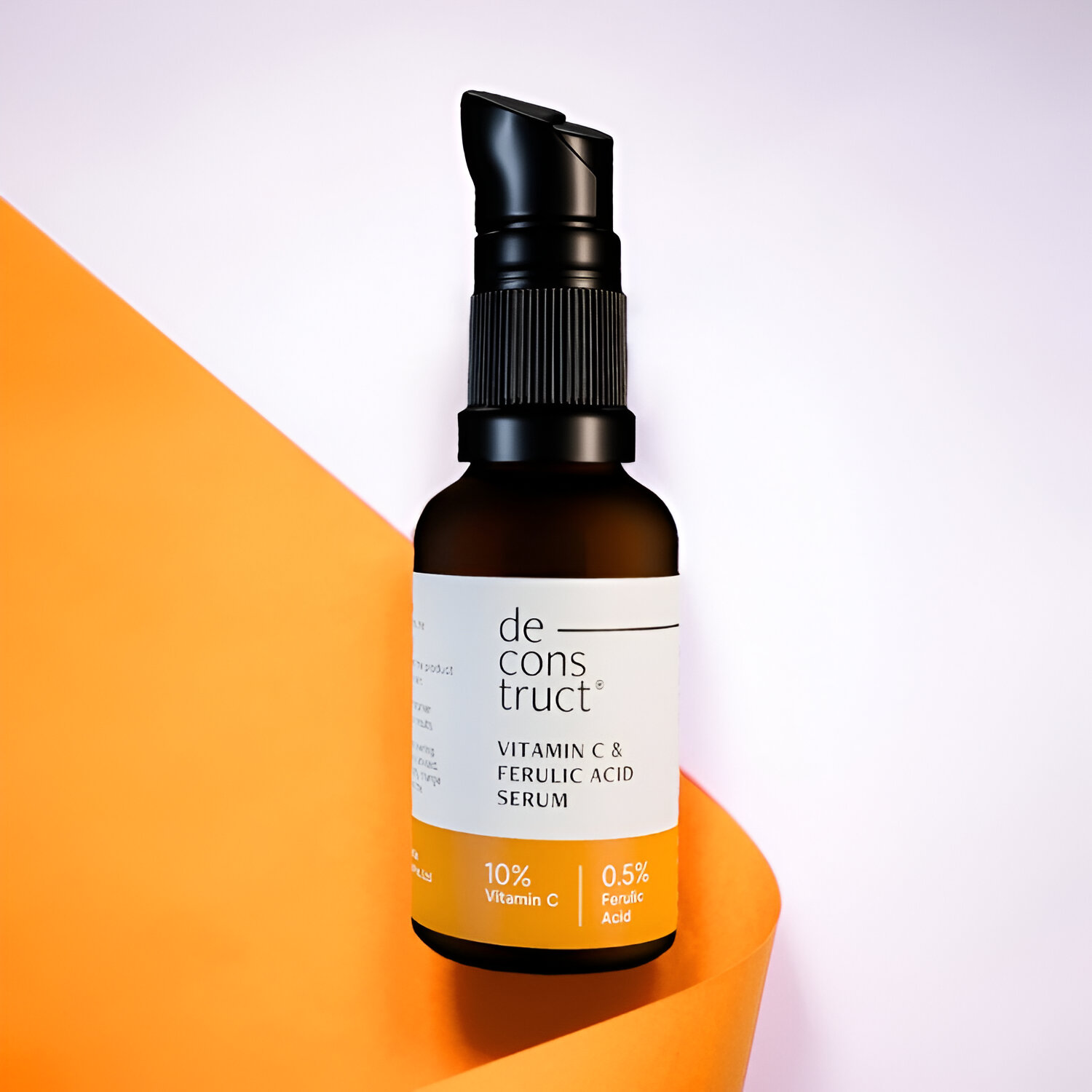
Recommended Serum for Reducing Melanin
2.Chemical Peels: how they help
Chemical peels using like
- Glycolic acid
- Salicylic acid
- Lactic acid
Can exfoliate the skin and promote the growth of new, lighter skin cells.
These procedures involve applying a chemical solution to the skin to remove the outer layer, promoting new skin growth. This can help in reducing pigmentation, but again, results are not always permanent.
3.Laser Treatments: Efficacy and Safety
Certain laser therapies can target melanin and reduce pigmentation.
- Q-switched lasers
- Fractional lasers
While these treatments can be effective, multiple sessions may be required, and results can vary based on individual skin types and conditions.
This procedure exfoliates the outer layer of the skin, which may help reduce the appearance of dark spots.
5.Natural Remedies for Reducing Melanin
These home remedies for melanin reduce should be used regularly and kept in mind these are not permanent solution.
# Lemon Juice
Lemon juice is well-known for lightening skin. Its citric acid acts as an exfoliant and mild bleach. To use it safely, mix lemon juice with water to reduce acidity and avoid irritation. Apply the mixture to pigmented areas with a cotton ball. That can gradually lighten the skin. However, be careful. Lemon juice increases sun sensitivity, raising the risk of sunburn or dark spots. Always rinse off after 10 minutes. When going outside, make sure to use sunscreen. It is highly recommended to take action now. A patch test is first to check for any possible adverse reactions.
# Aloe Vera
Aloe vera helps soothe and heal skin. It can reduce dark spots and even skin tone. The plant has a substance called aloin, which lightens pigmentation. To use it, extract the gel from a leaf and apply it to the pigmented areas. For the best results, leave it overnight or for at least 20 minutes, then rinse with warm water. Aloe vera is gentle and safe to use every day. It’s a great addition to your skincare routine. Always use fresh aloe vera, and remember to use sun protection for the best results.
# Yogurt and Turmeric
Yogurt contains lactic acid that exfoliates, making skin smoother. Turmeric is anti-inflammatory. It brightens skin, evens tone, and reduces redness and blemishes.
To create a mask, combine one tablespoon of yogurt with a pinch of turmeric. Apply this mixture to your skin. After 15-20 minutes, rinse it off with lukewarm water.
6. Sun Protection
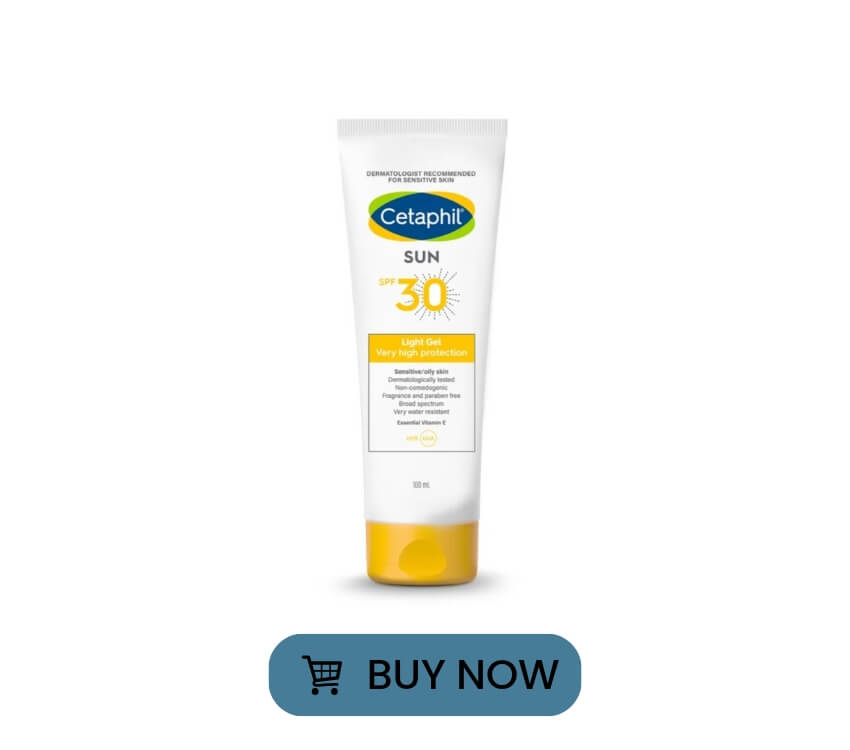
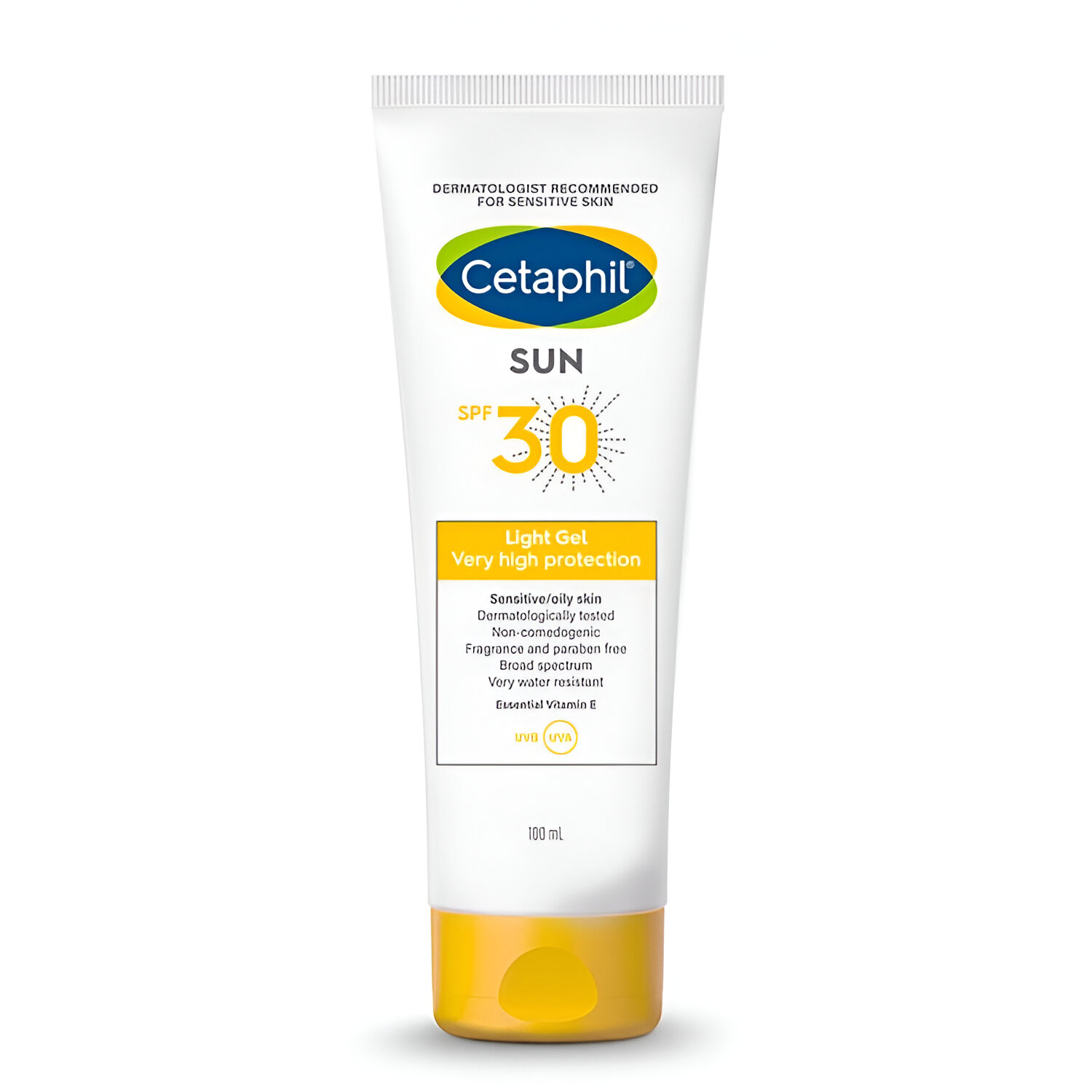
Use a broad-spectrum sunscreen with a minimum SPF of 30 to protect your skin from UV rays. Remember to apply it on cloudy days, as UV rays can “Still able to penetrate through.” clouds.
Using sunscreen regularly helps keep the results of skin treatments like chemical peels or laser therapy. Be sure to apply a generous amount and reapply every two hours, especially after sweating or swimming. Following this daily routine can Enhance your skin’s health and appearance over time.
Advice From Dermatologist
1. Patience is Key: Natural remedies may take weeks to show visible results.
2. Consistency: Regular application is crucial for noticeable improvement.
3. Sun Protection: Always use sunscreen daily, as UV exposure can increase melanin production.
Consultation with Professionals
Before starting any treatment regimen, it’s advisable to consult a dermatologist or skincare professional. They can provide guidance tailored to your skin type, the cause of pigmentation, and the safest and most effective treatment options.
Conclusion
while there are numerous methods to reduce melanin in the skin, the best approach will depend on individual skin types and conditions. A combination of professional treatments, diligent sun protection, and healthy lifestyle choices can lead to significant improvements in pigmentation and overall skin health. Always prioritize safety and efficacy by seeking professional guidance when considering any skin treatment.
We hope you found this article useful if you like the skin and hair related content you can follow our Blog. Here I post the skin and hair related content.
Thank you for Reading 🙏
(Stay healthy stay connected)
Team Dreemato


.jpg "How to Reduce Melanin in Skin Naturally and Permanently")

.jpg "Lemon Juice")
.jpg "Aloe Vera")
.jpg "Yogurt and Turmeric")